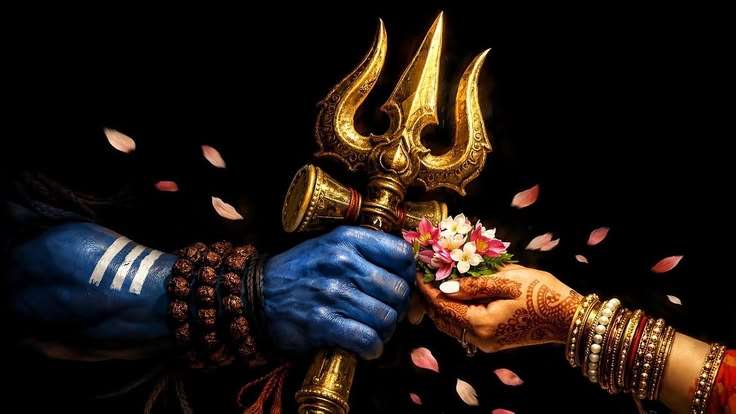
The history of Ganesh Chaturthi is a fascinating blend of ancient Vedic traditions, Puranic mythology, and modern social reform. While the worship of Lord Ganesha dates back thousands of years, the way we celebrate it today has evolved significantly. From private household rituals to grand public celebrations initiated by freedom fighters, the story of this festival reflects the cultural resilience of India.
In this article, we delve into the ancient origins of Ganesha worship, the popular mythological stories behind his birth, and how Lokmanya Tilak transformed it into a tool for national unity. Understanding this history adds depth to our devotion and connects us with our heritage.
Essential Points
- Ancient Roots: Ganesha worship is mentioned in early texts like the Rig Veda and Grihya Sutras.
- Puranic Legends: Stories from Shiva Purana and Brahma Vaivarta Purana define his iconography.
- Social Reform: Lokmanya Tilak started public festivals to bridge the gap between castes.
Historical Evolution of the Festival
The journey of Ganesh Chaturthi through time:
Context: References to 'Gananam' or leader of groups appear in the
Rig Veda.
Significance: Initially, Ganesha was worshipped as a minor deity
associated with obstacles and trade. The Grihya Sutras mention invoking him at the
start of ceremonies.
Context: The Puranas, especially the Shiva Purana and Mudgala
Purana, elaborate on his birth and exploits.
Significance: Ganesha gained prominence as a major deity in the
Smarta tradition. The concept of 'Panchayatana Puja' included him as one of the five
primary deities.
Context: Chhatrapati Shivaji Maharaj and later the Peshwas
patronized Ganesha worship.
Significance: The Peshwa dynasty in Pune made Ganesh Chaturthi a
grand state event, establishing many of the traditions still followed in Maharashtra
today.
Context: To unite people against British rule, Bal Gangadhar Tilak
transformed the home-based festival into a public community event.
Significance: This move allowed people from all castes and
backgrounds to gather in public pandals, fostering nationalism and social harmony.
Popular Mythological Stories
Several legends explain the origin and form of Lord Ganesha:
- The Birth Story: Goddess Parvati created Ganesha from turmeric paste to guard her door. When Lord Shiva tried to enter, Ganesha blocked him. Enraged, Shiva severed his head, later replacing it with an elephant's head to restore life and honor his bravery.
- The Broken Tusk: While writing the Mahabharata as Sage Vyasa's scribe, Ganesha's pen broke. Without hesitation, he broke off his own tusk to use as a pen, symbolizing sacrifice for knowledge.
- The Race Around the World: Shiva challenged his sons to circle the world. While Kartikeya flew off on his peacock, Ganesha simply walked around his parents, stating they were his world. This won him the title of 'Pratham Pujya' (First Worshipped).
The history of Ganesh Chaturthi is not just about religion; it is a testament to how faith can be used as a powerful tool for social unity and national pride.
Cultural Impact of the Festival
The evolution of Ganesh Chaturthi has had lasting impacts:
Bridges caste and community gaps.
Supports local idol makers and artists.
Played a role in India's freedom struggle.
Lessons from the Stories
The myths of Ganesha teach us valuable life lessons:
- Wisdom over Speed: The race story teaches that intelligence and perspective are more important than brute speed.
- Sacrifice for Knowledge: The broken tusk story highlights the importance of dedication to learning and art.
- Overcoming Ego: His mouse vehicle reminds us to keep our ego small and under control.
- Respect for Parents: Circling his parents shows that true devotion begins at home.