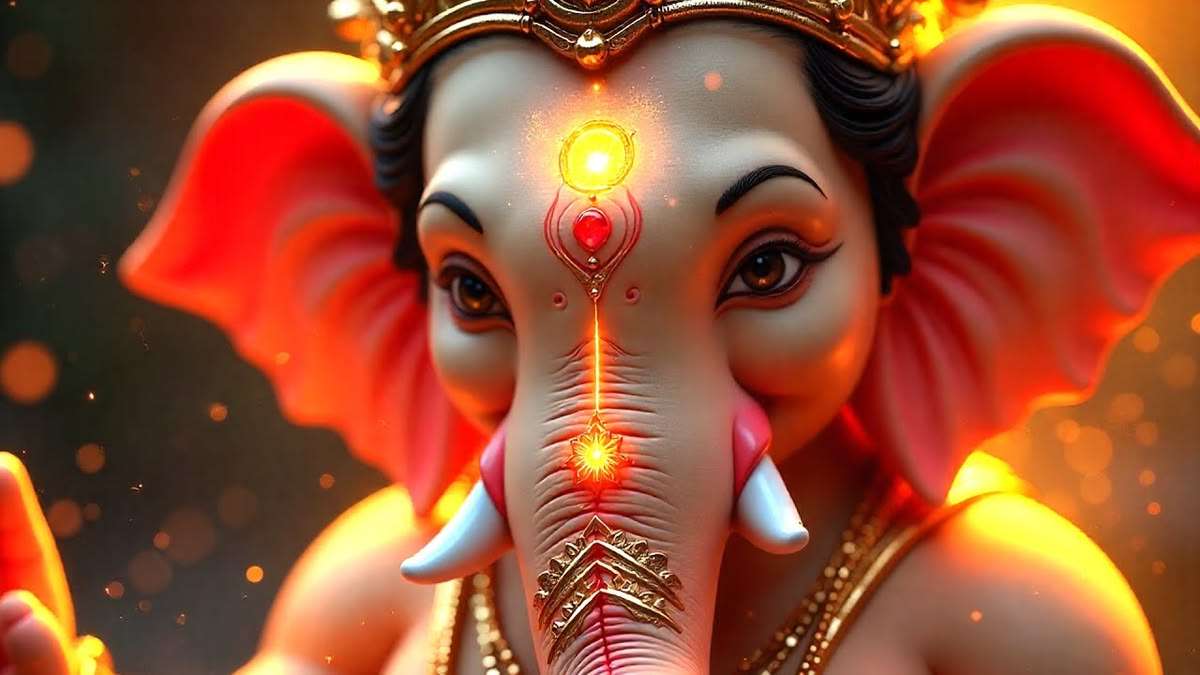
Vinayaka Chaturthi, also known as Ganesh Chaturthi, is one of the most auspicious festivals in Hinduism, marking the birth anniversary of Lord Ganesha. Celebrated on the fourth day (Chaturthi) of the waxing moon in the month of Bhadrapada, this festival symbolizes the arrival of wisdom, prosperity, and the removal of obstacles. The significance of Vinayaka Chaturthi goes beyond ritualistic worship; it represents the triumph of knowledge over ignorance and the importance of humility in achieving success.
In this guide, we explore the deep spiritual meaning behind the festival, the mythological stories associated with Lord Ganesha's birth, and why he is worshipped first before any new beginning. Understanding the significance of Vinayaka Chaturthi helps devotees connect more deeply with the divine energy of Vighnaharta.
Essential Points
- First Worship: Ganesha is invoked first in any ritual to ensure success.
- Symbolism: His form represents the universe and the path to self-realization.
- Eco-Consciousness: The festival promotes harmony with nature through clay idols.
Spiritual Significance of Vinayaka Chaturthi
The festival holds profound meaning for devotees:
Meaning: Lord Ganesha is believed to remove both material and
spiritual obstacles.
Significance: Worshipping him on this day clears the path for new
ventures, education, and personal growth. It teaches us that challenges are merely
stepping stones to success.
Meaning: Ganesha is the patron of letters, learning, and
sciences.
Significance: Students and scholars worship him to enhance memory
and focus. The large head symbolizes wisdom, while the small mouth signifies
speaking less and listening more.
Meaning: Despite being the son of Shiva and Parvati, Ganesha rides a
small mouse.
Significance: This represents the control of ego. The mouse
symbolizes desire and ego, which must be kept under control by wisdom (Ganesha) to
achieve true peace.
Meaning: The festival brings people together regardless of caste or
creed.
Significance: Public pandals and community celebrations foster
social harmony and collective joy, reflecting Ganesha’s inclusive nature.
Mythological Stories of Ganesha's Birth
There are several legends associated with the birth of Lord Ganesha:
- Parvati's Creation: Goddess Parvati created Ganesha from the turmeric paste on her body to guard her privacy while bathing. When Shiva tried to enter, Ganesha stopped him, leading to a battle where Shiva severed his head. Later, Shiva replaced it with an elephant's head to honor his bravery.
- The Curse of Moon Chandra: It is believed that looking at the moon on Vinayaka Chaturthi night brings false accusations (Mithya Dosha). This stems from a story where the Moon laughed at Ganesha's appearance after he fell off his mouse vehicle.
- Writing the Mahabharata: Ganesha served as the scribe for Sage Vyasa, writing the epic Mahabharata as Vyasa dictated it. This highlights his role as the patron of literature and knowledge.
Vinayaka Chaturthi is not just about bringing an idol home; it is about inviting the qualities of wisdom, humility, and obstacle-removal into our hearts.
Benefits of Observing Vinayaka Chaturthi
Observing this festival with devotion offers profound benefits:
Ensures smooth progress in work.
Improves decision-making skills.
Brings peace and abundance home.
How to Observe the Festival
To make the most of Vinayaka Chaturthi:
- Fasting: Many devotees observe a fast until the moon rises or until the Puja is completed.
- Modak Offering: Prepare or buy Modaks, Ganesha’s favorite sweet, as Naivedya.
- Durva Grass: Offer 21 blades of Durva grass, which is said to cool the deity’s energy.
- Visarjan: Immerse the idol respectfully, preferably in a bucket of water at home to protect local water bodies.