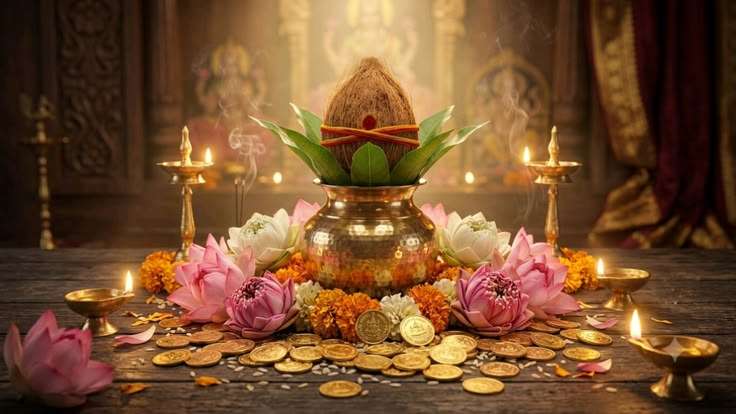
Diwali, also known as Deepavali, is one of the most significant festivals in Hinduism, symbolizing the spiritual "victory of light over darkness, good over evil, and knowledge over ignorance." While the main Lakshmi Pooja on the new moon night is the highlight, Diwali is actually a five-day festival filled with distinct rituals and traditions. From Dhanteras to Bhai Dooj, each day holds unique spiritual significance and cultural practices that bring families and communities together.
In Gorakhpur, the streets come alive with the glow of earthen lamps (Diyas), the sound of bells, and the aroma of festive sweets. Understanding the complete Diwali Puja rituals and traditions helps devotees celebrate the festival with deeper meaning, honoring not just wealth, but also health, relationships, and spiritual wisdom.
Festival Highlights
- 5-Day Celebration: Each day honors different deities and aspects of life.
- Symbolism of Light: Diyas represent the inner light that protects from spiritual darkness.
- Community Bonding: Traditions like Bhai Dooj strengthen family ties.
The 5 Days of Diwali: Rituals & Significance
Diwali is not just one night; it is a five-day journey of devotion:
Ritual: Worship of Lord Dhanvantari (God of
Ayurveda) and Maa Lakshmi. People buy gold, silver, or utensils as
a sign of incoming prosperity.
Significance: Marks the beginning
of the festival and focuses on health and wealth.
Ritual: Early morning oil bath and lighting of lamps. In some
regions, it commemorates Lord Krishna's victory over the demon
Narakasura.
Significance: Symbolizes the cleansing of body and
soul before the main Diwali night.
Ritual: The main day of Diwali. Homes are cleaned, decorated with
Rangoli, and lit with Diyas. Lakshmi-Ganesh-Kuber Puja is performed
in the evening.
Significance: Welcoming Maa Lakshmi into the
home for prosperity and removing obstacles with Lord Ganesh.
Ritual: Worship of Lord Krishna and the Govardhan
Hill. In North India, it is also celebrated as Annakut (mountain of
food) in temples.
Significance: Celebrates nature and cattle,
reminding us of our dependence on the environment.
Ritual: Sisters apply Tilak on their brothers' foreheads and pray
for their long life. Brothers give gifts in
return.
Significance: Celebrates the sacred bond between
siblings, similar to Raksha Bandhan.
Key Diwali Traditions
Beyond the Puja, several cultural traditions define the spirit of Diwali:
- Lighting Diyas: Earthen lamps filled with ghee or oil are lit to dispel darkness and invite positive energy. It is believed that Maa Lakshmi visits homes that are bright and clean.
- Rangoli Making: Colorful patterns created at the entrance using colored rice, powder, or flower petals. They welcome guests and deities while adding beauty to the home.
- Exchanging Gifts & Sweets: Sharing boxes of sweets (Mithai) and dry fruits with neighbors, friends, and family fosters love and strengthens social bonds.
- Bursting Crackers (Eco-friendly): Traditionally, fireworks were used to celebrate victory. However, modern traditions emphasize eco-friendly celebrations using lights, flowers, and community events instead of pollution-causing crackers.
- Wearing New Clothes: Buying and wearing new clothes symbolizes a fresh start and prosperity for the coming year.
Diwali is not just about lighting lamps outside; it is about lighting the lamp of knowledge and compassion within our hearts.
Spiritual Message of Diwali
At its core, Diwali is a reminder to introspect. The darkness represents ignorance, ego, and negativity, while the light represents truth, knowledge, and goodness. By performing Diwali Puja rituals, we commit ourselves to walking the path of Dharma. It is a time to forgive past grievances, share wealth with the needy, and renew our spiritual vows. In Gorakhpur, this spirit is visible in every home that opens its doors to neighbors and every heart that beats with devotion.