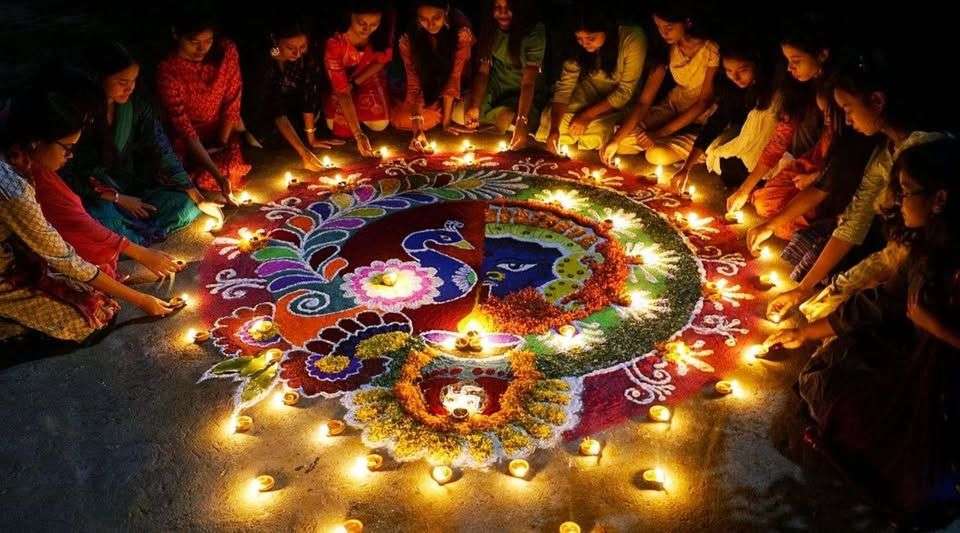
Rangoli is more than just a colorful decoration; it is a sacred art form that transforms the entrance of your home into a spiritual gateway. During Diwali, millions of homes in India, including those in Gorakhpur, are adorned with intricate patterns made from colored powders, rice flour, flowers, and petals. These designs are not random; they carry deep spiritual meanings and are believed to invite Maa Lakshmi and positive energy into the household.
Understanding the meaning behind Diwali Rangoli designs adds depth to this beautiful tradition. From geometric shapes representing cosmic order to floral motifs symbolizing growth, every element has a purpose. This guide explores the significance of common motifs and provides resources where you can find stunning design inspiration for your home.
Symbolic Insights
- Welcoming Deities: Rangoli acts as a welcome mat for Maa Lakshmi and Lord Ganesh.
- Positive Energy: Bright colors dispel negativity and create a festive atmosphere.
- Cultural Unity: A shared tradition that brings families and communities together.
Common Rangoli Motifs & Their Meanings
While designs vary by region, certain motifs are universally recognized during Diwali:
The Lotus is the seat of Maa Lakshmi. Drawing a lotus symbolizes purity, spiritual awakening, and the invitation of wealth and prosperity. It represents rising above the mud of materialism to achieve spiritual beauty.
An ancient symbol of auspiciousness and good fortune. The Swastika represents the sun, energy, and the four directions. It is believed to bring stability and protection to the home.
Small footprints made with rice powder leading from the entrance to the Puja room symbolize the arrival of Maa Lakshmi into the home. It is a direct invitation for her blessings.
Circular and symmetrical patterns represent the cosmos, unity, and the cycle of life. They bring a sense of balance, harmony, and mental peace to the viewer.
Floral designs symbolize nature’s bounty and joy. Peacock motifs represent grace, beauty, and immortality, adding a vibrant touch to the entrance.
Where to Find Rangoli Design Inspiration
Looking for the perfect design for your home? Here are some trusted online resources where you can find thousands of Diwali Rangoli designs, ranging from simple dots for beginners to complex freehand art for experts:
A Rangoli is not just art on the floor; it is a prayer in color, welcoming the divine into our daily lives.
Tips for Creating Beautiful Rangoli
- Start with Dots: Use a grid of dots to maintain symmetry and proportion.
- Use Natural Colors: Try using turmeric (yellow), kumkum (red), and rice flour (white) for an eco-friendly and traditional look.
- Add Diyas: Place small earthen lamps (Diyas) around or within the Rangoli to enhance its beauty and spiritual impact.
- Keep it Simple: If you are a beginner, start with simple geometric shapes or floral borders. Complexity comes with practice.