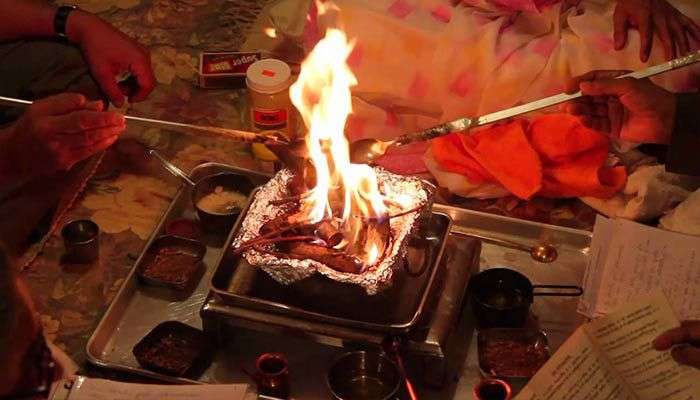
Havan Samagri is a sacred mixture of herbs, grains, woods, and aromatic substances used in Havan (fire ritual) ceremonies. Each ingredient in this traditional blend has been carefully selected over thousands of years for its unique properties—both spiritual and scientific. When these items are offered into the sacred fire with proper mantras, they create positive vibrations, purify the environment, and invoke divine blessings.
Understanding the purpose of each Havan Samagri item deepens our connection to this ancient practice. From cooling sandalwood to energizing camphor, from nourishing ghee to purifying herbs, every component plays a specific role in creating harmony between the physical and spiritual realms. This guide explores the essential ingredients and their profound significance in Vedic fire rituals.
Essential Insights
- Synergistic Effect: Each ingredient complements others to create maximum spiritual and environmental benefits.
- Scientific Basis: Many Havan items have antimicrobial, antifungal, and air-purifying properties validated by modern science.
- Symbolic Meaning: Offering materials represents surrendering ego, desires, and attachments to the divine fire.
Complete List of Havan Samagri Items
Traditional Havan Samagri contains 20-50+ ingredients depending on the type of ceremony. Here are the most common and important ones:
Purpose: Primary fuel for Agni (fire)
Significance: Ghee is considered the most important offering. It
burns cleanly, produces bright flames, and carries other offerings to the deities.
Symbolizes purity, nourishment, and selfless giving. Cow's ghee is preferred for its
sattvic (pure) qualities.
Purpose: Cooling and calming agent
Significance: Sandalwood powder or chips cool the intense heat of
fire and balance the ritual energy. Its fragrance creates a meditative atmosphere.
Known for purifying the mind and reducing stress. Represents peace and spiritual
elevation.
Purpose: Quick-burning purifier
Significance: Camphor burns completely without leaving ash,
symbolizing the dissolution of ego. Its strong aroma clears negative energies and
mental fog. Acts as a natural disinfectant and creates an uplifting atmosphere
during the ceremony.
Purpose: Antimicrobial and energizing
Significance: Cloves release eugenol when burned, which has
powerful antibacterial properties. They add warmth to the fire and stimulate
positive energy. Symbolize protection and vitality in the ritual context.
Purpose: Aromatic purifier
Significance: Green cardamom pods release a sweet, refreshing
fragrance that calms the nervous system. Helps create a pleasant environment for
meditation and prayer. Represents sweetness in life and spiritual progress.
Purpose: Warming and protective
Significance: Cinnamon sticks add warmth and a comforting aroma.
Known to improve air quality and boost immunity. Symbolizes strength, courage, and
the warming presence of divine energy.
Purpose: Mental clarity enhancer
Significance: Nutmeg promotes mental focus and reduces anxiety.
When burned, it releases compounds that support respiratory health. Represents
wisdom and clear thinking in spiritual practices.
Purpose: Nervous system tonic
Significance: The outer covering of nutmeg, javitri has similar but
milder properties. It helps balance emotions and creates inner harmony. Used for its
calming effect on the mind during meditation.
Purpose: Sweetness and nourishment
Significance: Raisins represent the sweetness of devotion and the
fruits of spiritual practice. They add natural sugars that burn with a gentle flame.
Symbolize prosperity and abundance in life.
Purpose: Brain food and strength
Significance: Almonds are offered for intellectual growth and
mental strength. Rich in nutrients, they symbolize the nourishment of both body and
soul. Represent the hard work required for spiritual advancement.
Purpose: Cognitive enhancement
Significance: Walnuts support brain health and memory. In rituals,
they represent the complexity of consciousness and the unfolding of wisdom. Offering
them seeks clarity of thought and decision-making.
Purpose: Cooling and balancing
Significance: These nuts have cooling properties that balance the
heat of fire. They represent equilibrium and moderation in spiritual practice. Help
maintain calm during intense rituals.
Purpose: Auspicious offering
Significance: Betel nut is considered highly auspicious in Hindu
rituals. It represents completeness and is offered to honor deities. Traditionally
used to seek blessings for success and removal of obstacles.
Purpose: Detoxification
Significance: These seeds help cleanse the body and environment.
They symbolize letting go of toxins—both physical and mental. Used for purification
and starting fresh.
Purpose: Ancestral connection
Significance: Sesame seeds are traditionally offered for ancestors
(Pitru Tarpan). They represent continuity of lineage and gratitude to forefathers.
Black sesame is especially used for removing negative karma.
Purpose: Prosperity and sustenance
Significance: Rice symbolizes food security, prosperity, and the
basic sustenance of life. White rice represents purity and is offered for peace and
abundance. Uncooked grains show potential and growth.
Purpose: Strength and endurance
Significance: Barley is one of the oldest cultivated grains,
representing resilience and strength. It's offered for physical health and stamina.
Also used in rituals for grounding and stability.
Purpose: Nourishment and growth
Significance: Wheat grains symbolize nourishment, fertility, and
continuous growth. They represent the sustaining power of nature and divine
providence. Offered for health and agricultural prosperity.
Purpose: Sweetness in relationships
Significance: Jaggery adds natural sweetness to offerings,
symbolizing harmonious relationships and pleasant interactions. It represents the
desire for sweetness in all aspects of life—family, work, and spirituality.
Purpose: Purity and clarity
Significance: Rock sugar's crystalline structure represents clarity
of mind and purity of intention. It dissolves easily, symbolizing the melting away
of ego and resistance. Creates a gentle, sweet smoke.
Sacred Herbs in Havan Samagri
Beyond common kitchen spices, Havan Samagri includes powerful medicinal and sacred herbs:
- Neem Leaves: Powerful antibacterial and antiviral properties. Purifies the atmosphere and protects against diseases. Represents healing and protection.
- Tulsi (Holy Basil): Considered the most sacred herb in Hinduism. Releases oxygen and purifies air. Enhances spiritual vibrations and connects devotees to divine consciousness.
- Brahmi: Brain tonic that enhances memory and concentration. Supports mental clarity during meditation and mantra chanting.
- Ashwagandha: Adaptogenic herb that reduces stress and builds strength. Helps maintain balance during intense spiritual practices.
- Shankhpushpi: Calming herb that promotes peaceful sleep and reduces anxiety. Creates a serene atmosphere for worship.
- Lodhra: Medicinal bark with anti-inflammatory properties. Used for purification and cleansing rituals.
- Vacha (Sweet Flag): Aromatic root that clears mental blocks and enhances speech. Helpful for those practicing mantra recitation.
- Kushta: Rare Himalayan herb mentioned in Vedas. Highly valued for its purifying and healing properties.
"Every grain, every herb, every drop of ghee offered in Havan is not just material—it is consciousness transforming itself through fire, rising as smoke to touch the heavens."
Sacred Woods for Havan
The type of wood used significantly impacts the Havan ceremony:
Most commonly used. Burns steadily and produces fragrant smoke. Represents fertility and prosperity.
Sacred to Lord Vishnu. Highly purifying and spiritually elevating. Used for advanced rituals.
Premium choice for special occasions. Cooling, calming, and deeply meditative fragrance.
Traditional Vedic choice. Burns hot and clean. Excellent for large-scale Yagnas.
Why Each Ingredient Matters
The combination of ingredients in Havan Samagri is not random—it follows ancient wisdom:
- Balance of Elements: The mix includes heating (cloves, cinnamon) and cooling (sandalwood, chironji) items to maintain energetic balance.
- Complete Nutrition: Grains, nuts, and seeds represent all forms of nourishment, offering gratitude for nature's bounty.
- Medicinal Properties: Many herbs release therapeutic compounds when burned, benefiting respiratory health and mental well-being.
- Aromatic Harmony: The blend creates a unique fragrance that calms the mind and elevates consciousness.
- Symbolic Representation: Each item represents different aspects of life—prosperity, health, wisdom, peace—that we seek through the ritual.
How to Prepare Havan Samagri
You can either buy pre-mixed Havan Samagri or prepare your own:
- Gather Ingredients: Collect all items listed above based on availability and purpose of the Havan.
- Dry Roasting: Lightly roast grains and nuts to enhance their aroma and burning quality.
- Grinding: Coarsely grind harder items like almonds, walnuts, and spices. Don't make fine powder—chunks burn better.
- Mixing: Combine all ingredients in a clean container. Add dried herbs and flowers last.
- Storage: Store in an airtight container away from moisture. Use within 3-6 months for best results.
- Blessing: Before use, offer prayers to the Samagri, acknowledging the sacredness of each ingredient.
Benefits of Using Proper Havan Samagri
When authentic Havan Samagri is used correctly, it offers multiple benefits:
Reduces airborne bacteria, viruses, and pollutants by up to 90%.
Aromatic compounds enhance focus, reduce stress, and promote meditation.
Antimicrobial properties strengthen respiratory system and overall health.
Creates vibrations that remove negativity and attract positivity.
"The smoke from Havan Samagri is not pollution—it is purification. It is the visible form of prayers rising to heaven, carrying our intentions to the divine."