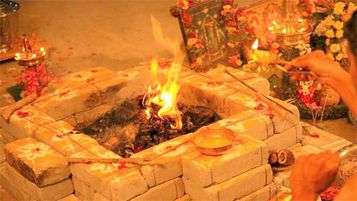
Yagna (also spelled Yajna or Havan) is one of the most ancient and significant rituals in Hinduism, dating back to the Vedic period. It is a sacred fire ceremony where offerings are made to the divine through the medium of fire, considered the messenger between humans and gods. The word 'Yagna' comes from the Sanskrit root 'yaj', meaning 'to worship' or 'to offer'. This profound ritual symbolizes the surrender of ego and material desires to the Supreme Consciousness.
In Hindu philosophy, Yagna represents the cosmic principle of giving and receiving. The fire altar (Agni Kund) serves as a sacred space where devotees offer ghee, herbs, grains, and sacred woods while chanting Vedic mantras. These offerings are believed to purify the atmosphere, invoke divine blessings, and maintain cosmic balance. Whether performed for personal well-being, societal harmony, or universal peace, Yagna remains a cornerstone of Hindu spiritual practice.
Essential Insights
- Cosmic Connection: Yagna creates a sacred link between the physical and spiritual realms through Agni (fire).
- Purification: The smoke and heat from sacred offerings cleanse the environment and consciousness.
- Selfless Giving: Offering materials into fire symbolizes letting go of attachment and ego.
Spiritual Significance of Yagna
Yagna holds deep philosophical and practical importance in Hindu tradition:
Concept: Fire as Messenger
Explanation: Agni (fire god) is considered the carrier of offerings
to the deities. When materials are offered into the sacred fire with proper mantras,
they reach the divine realm. This establishes a direct channel of communication
between devotees and gods.
Concept: Scientific Benefits
Explanation: Burning specific herbs like sandalwood, camphor, and
ghee releases antimicrobial compounds that purify the air. Modern research shows
that Yagna smoke reduces airborne bacteria and creates negative ions, promoting
mental clarity and health.
Concept: Spiritual Detoxification
Explanation: The act of offering represents surrendering one's
karma, desires, and ego to the divine fire. This symbolic sacrifice helps
practitioners release negative patterns and accumulate positive spiritual merit
(punya).
Concept: Maintaining Dharma
Explanation: According to Vedic texts, regular performance of Yagna
maintains the balance of natural elements and cosmic order (Rta). It is believed to
bring rain, fertility, prosperity, and harmony to society.
Major Types of Yagna
Hindu scriptures describe various types of Yagna ceremonies, each with specific purposes:
- Agnihotra: Daily fire offering performed twice daily (morning and evening) by householders. It's the simplest form of Yagna maintaining domestic spiritual discipline.
- Darsha Purnamasa: Fortnightly Yagna performed on new moon and full moon days to honor ancestors and deities.
- Ashvamedha: Ancient royal ritual symbolizing sovereignty and cosmic expansion. Historically performed by kings, now understood symbolically.
- Rajasuya: Coronation ceremony Yagna establishing righteous rule and dharma in the kingdom.
- Soma Yagna: Elaborate ritual involving preparation and offering of Soma juice, described extensively in Rigveda.
- Havan/Homa: Simplified fire ceremony commonly performed in homes for various occasions like weddings, housewarming, and festivals.
"Yagna is not merely a ritual; it is the essence of life itself. Every breath we take, every action we perform, when done selflessly, becomes a Yagna—an offering to the universe."
The Yagna Process
A traditional Yagna ceremony follows a structured procedure:
- Sankalpa (Intention): The performer declares the purpose of the Yagna and takes a vow to complete it with devotion.
- Kund Preparation: A fire altar is constructed in specific geometric patterns (often square, triangular, or circular) using bricks.
- Samidha Dana: Sacred wood pieces are placed in the kund while invoking Agni.
- Ahavani: Inviting deities through mantra chanting and offering ghee to kindle the sacred fire.
- Pradhan Ahuti: Main offerings of ghee, rice, herbs, and other sacred materials are made with specific mantras for each deity.
- Purnahuti: Final offering marking the completion of the main ritual.
- Visarjana: Sending off the invoked deities with gratitude and seeking their continued blessings.
Sacred Materials Used in Yagna
Each item offered in Yagna has symbolic and practical significance:
Primary fuel representing purity and nourishment for Agni.
Sandalwood, camphor, and medicinal plants for purification.
Mixture of grains, seeds, and dried fruits symbolizing abundance.
Specific woods like mango, peepal, or khair for sustained fire.
Benefits of Performing Yagna
Regular participation in or performance of Yagna offers multiple benefits:
Mantra chanting and fire gazing enhance concentration and meditation.
Purifies home environment and removes negative energies.
Community Yagnas foster unity and collective spiritual growth.
Antimicrobial properties improve respiratory health and immunity.
Yagna in Hindu Scriptures
Yagna is extensively mentioned in ancient Hindu texts:
- Rigveda: Contains numerous hymns dedicated to Agni and describes various Yagna procedures. Over one-third of Rigveda deals with Yagna rituals.
- Yajurveda: Literally means "knowledge of sacrifices." This Veda is entirely devoted to Yagna mantras and procedures.
- Brahmanas: Prose texts explaining the philosophical meaning behind Yagna rituals.
- Bhagavad Gita: Lord Krishna states in Chapter 4, Verse 24: "The act of offering is Brahman, the oblation is Brahman..." emphasizing Yagna as spiritual practice.
- Puranas: Describe grand Yagnas performed by sages, kings, and deities throughout cosmic history.
"From Yagna arose the Vedas, from Vedas arose Dharma. Thus, Yagna is the foundation of cosmic order and human righteousness."