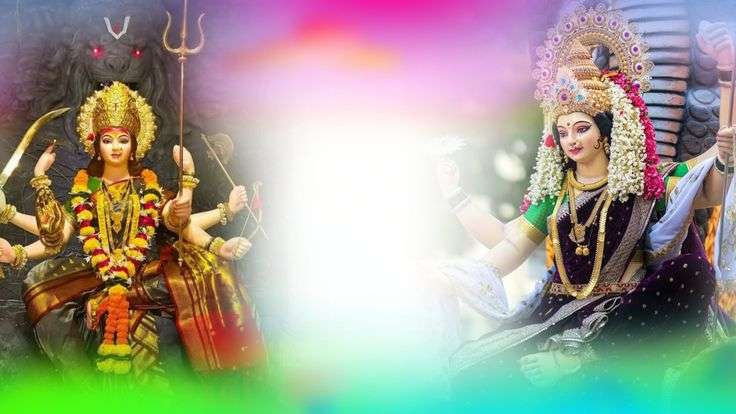
Chaitra Navratri, also known as Vasant Navratri (Spring Navratri), is celebrated during the Hindu month of Chaitra (March-April). Unlike the more widely known Sharad Navratri in autumn, Chaitra Navratri marks the beginning of the Hindu New Year in many regions and is deeply connected to the birth of Lord Rama. It is a time of renewal, freshness, and spiritual awakening, where devotees worship Maa Durga to seek blessings for a prosperous year ahead.
In Gorakhpur and across North India, Chaitra Navratri is observed with fasting, prayer, and community gatherings. The festival coincides with Ram Navami, making it a dual celebration of the Divine Feminine (Shakti) and the Divine Masculine (Rama). Understanding the importance and rituals of Chaitra Navratri helps devotees align themselves with the natural cycle of spring and invoke divine grace for new beginnings.
Key Insights
- Hindu New Year: Marks the start of the lunar calendar and spring season.
- Ram Navami Connection: Celebrates the birth of Lord Rama on the ninth day.
- Spring Energy: Focuses on renewal, health, and fresh starts.
Significance of Chaitra Navratri
Chaitra Navratri holds unique significance compared to its autumn counterpart:
In many parts of India, including Maharashtra, Karnataka, and Andhra Pradesh, Chaitra Navratri marks the start of the new year (Ugadi/Gudi Padwa). It is a time to set new goals, clean homes, and start fresh ventures with divine blessings.
The ninth day of Chaitra Navratri is Ram Navami, the birthday of Lord Rama. This makes the festival a celebration of both Shakti (Durga) and Dharma (Rama). Devotees often fast for nine days and break it on Ram Navami.
Spring is a season of growth and vitality. Worshipping Maa Durga during this time helps harness the natural energy of renewal. It is believed to boost immunity, mental clarity, and overall well-being.
Key Rituals of Chaitra Navratri
While the core worship of Maa Durga remains the same, Chaitra Navratri has some specific rituals:
1. Ghata Sthapana (Kalash Stthapana)
On the first day, devotees perform Kalash Sthapana to invoke the presence of the Goddess. A copper pot filled with water, mango leaves, and a coconut is placed in the puja room. This symbolizes the universe and the presence of all deities.
2. Fasting (Vrat)
Many devotees observe a strict or partial fast for all nine days. Some eat only once a day (fruits, milk, or sattvic food), while others avoid grains and salt. The fast is broken on Ram Navami after performing puja.
3. Ramayana Path
Since Chaitra Navratri ends with Ram Navami, reading or listening to the Ramayana is highly auspicious. Many families in Gorakhpur organize daily readings of the Sundarkand or the entire epic during these nine days.
4. Kanya Pujan
On Ashtami or Navami, young girls (representing the nine forms of Durga) are invited home, their feet are washed, and they are offered food and gifts. This ritual honors the divine feminine energy in its purest form.
Chaitra Navratri is nature's way of waking up, and our souls' way of tuning in to that fresh, vibrant energy.
Spiritual Benefits
Observing Chaitra Navratri brings numerous benefits:
- Mental Clarity: Fasting detoxifies the body and mind, leading to better focus.
- New Beginnings: Starting projects or education during this time is considered auspicious.
- Divine Protection: Worshiping Maa Durga removes obstacles and fears.
- Cultural Connection: Participating in Ramayana Path strengthens cultural and moral values.