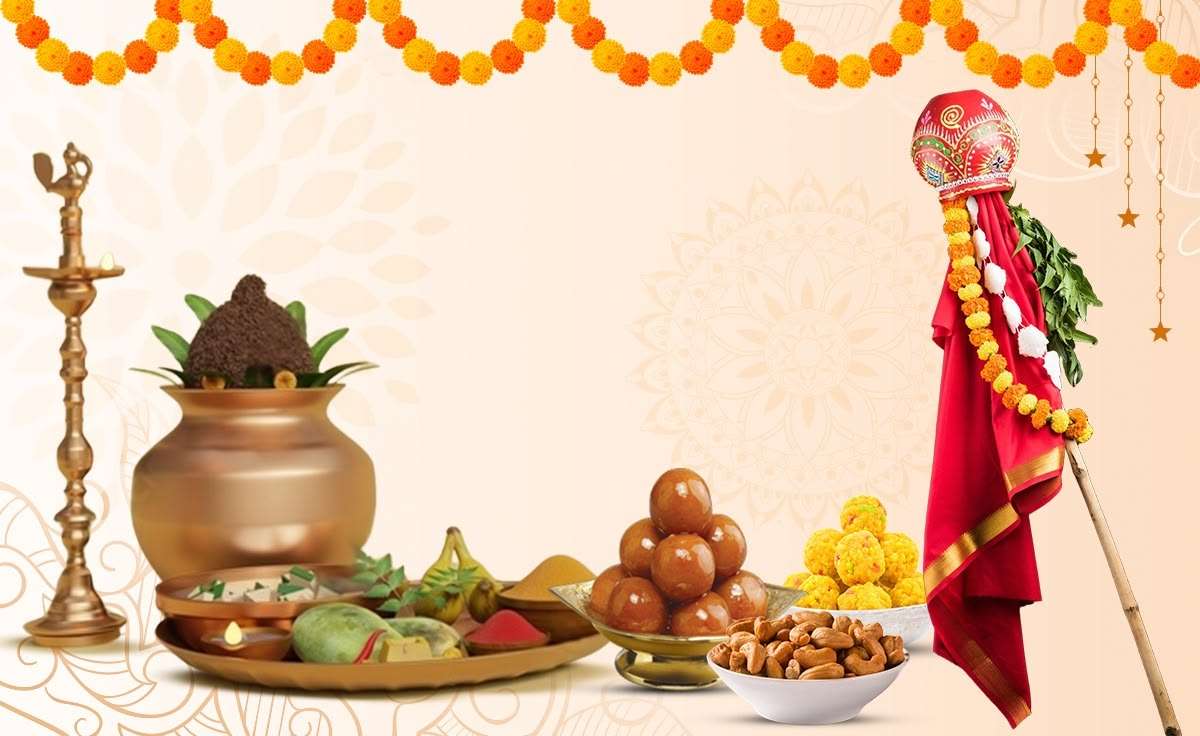
Hinduism is often described as a way of life, and its rich tapestry of festivals reflects this diversity. Unlike many religions with a single holy day, Hindus celebrate numerous festivals throughout the year, each marking seasonal changes, historical events, or divine birthdays. These festivals are not just occasions for joy but serve as reminders of spiritual values, community bonding, and the triumph of good over evil.
The Hindu calendar is lunisolar, meaning festivals shift dates each year on the Gregorian calendar. However, they always fall in specific months or lunar phases (Tithis). From the vibrant colors of Holi in spring to the glowing lamps of Diwali in autumn, every festival has a unique significance. This guide provides a comprehensive year-round overview of major Hindu festivals, their meanings, and how they are celebrated.
Essential Insights
- Lunisolar Calendar: Dates change annually based on moon phases; check yearly Panchang for exact dates.
- Regional Diversity: Names and customs vary across India, but the core spiritual essence remains the same.
- Seasonal Connection: Many festivals align with harvests or equinoxes, honoring nature’s cycles.
Major Festivals by Season
Here is a guide to the most significant Hindu festivals throughout the year:
Holi: The festival of colors celebrating the arrival of spring and
the victory of good (Prahlad) over evil (Holika). People play with colored powders
and share sweets.
Ram Navami: Birthday of Lord Rama. Temples hold processions, and
devotees fast and recite the Ramayana.
Hanuman Jayanti: Birthday of Lord Hanuman, celebrated with
devotion, chanting, and offerings of laddoos.
Akshaya Tritiya: A highly auspicious day for new beginnings, buying
gold, and charity. It marks the beginning of Treta Yuga.
Vat Savitri: Women fast for the long life of their husbands, tying
threads around banyan trees.
Ganga Dussehra: Celebrates the descent of River Ganga to earth.
Devotees take holy dips in the river.
Guru Purnima: Full moon day dedicated to spiritual teachers.
Disciples honor their Gurus with gifts and prayers.
Raksha Bandhan: Sisters tie protective threads (Rakhi) on brothers'
wrists, symbolizing love and protection.
Krishna Janmashtami: Birthday of Lord Krishna. Celebrated with
fasting, midnight prayers, and Dahi Handi (pot-breaking) events.
Navratri & Durga Puja: Nine nights dedicated to Goddess Durga.
Involves fasting, Garba/Dandiya dances, and elaborate pandals.
Dussehra (Vijayadashami): Celebrates Lord Rama’s victory over
Ravana. Effigies of Ravana are burned.
Diwali (Deepavali): The festival of lights. Marks Lord Rama’s
return to Ayodhya. Homes are lit with diyas, and Lakshmi Puja is performed for
prosperity.
Kartik Purnima: Holy month of Kartik ends with full moon. Devotees
take dawn baths in holy rivers.
Makar Sankranti / Pongal: Harvest festival marking the sun’s
transition into Capricorn. Kite flying and bonfires are common.
Maha Shivaratri: The great night of Shiva. Devotees fast and stay
awake all night chanting mantras and offering milk to Shiva Linga.
Why Do We Celebrate?
Hindu festivals serve multiple purposes beyond mere celebration:
- Spiritual Renewal: Fasting and prayer cleanse the body and mind, resetting spiritual focus.
- Community Bonding: Festivals bring families and neighbors together, strengthening social fabric.
- Cultural Transmission: Stories of gods and heroes are passed down to children through rituals and plays.
- Nature Harmony: Many festivals thank nature for harvests, rain, and seasons, promoting environmental respect.
Most festivals follow the lunar calendar, aligning human biology with cosmic rhythms.
Yagnas and lamp lighting purify the atmosphere and invoke divine energy.
Giving food and clothes to the needy is an integral part of almost every festival.
"Festivals are the milestones of our cultural journey. They remind us who we are, where we come from, and what values we hold dear."
Regional Variations
While the core spirit is universal, celebrations vary by region:
- North India: Focus on Rama, Krishna, and Shiva. Diwali and Holi are grand spectacles.
- South India: Strong emphasis on temple rituals, Kolam (rangoli), and harvest festivals like Pongal.
- East India: Durga Puja is the biggest event, with artistic pandals and cultural programs.
- West India: Navratri Garba dances and Ganesh Chaturthi processions are iconic.