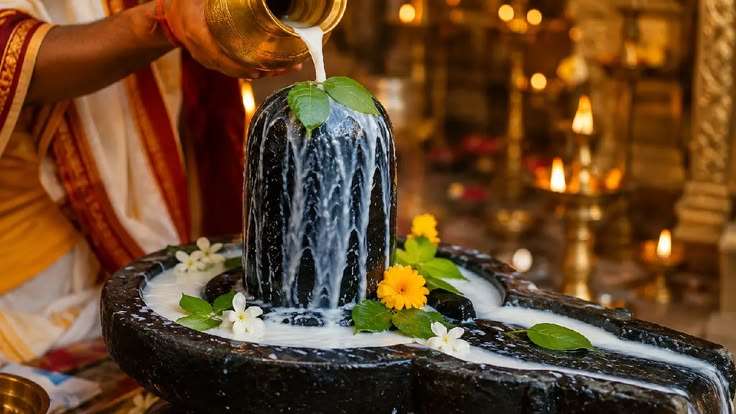
Maha Shivaratri, literally meaning "The Great Night of Shiva," is one of the most significant festivals in Hinduism, celebrated annually in honor of Lord Shiva. Unlike many other festivals that are celebrated during the day, Shivaratri is observed at night. It falls on the 13th night/14th day of the dark fortnight (Krishna Paksha) in the month of Phalguna (February-March). This year, it will be observed with great fervor across India and by Shaivites worldwide.
The festival holds deep spiritual significance, marking the convergence of Shiva and Shakti, or the night when Shiva performed the cosmic dance of creation, preservation, and destruction (Tandava). For devotees, it is a night of fasting, prayer, and meditation, aimed at overcoming ignorance and darkness. Staying awake all night (Jagran) and chanting mantras are believed to bring immense spiritual merit and inner peace.
Essential Insights
- Night of Power: The planetary positions on this night create a natural upsurge of energy, making it ideal for meditation.
- Overcoming Darkness: Fasting and staying awake symbolize conquering lethargy, ignorance, and negative tendencies.
- Universal Appeal: It is celebrated by people of all ages and backgrounds, from ascetics to householders.
Spiritual Significance of Maha Shivaratri
There are several legends and spiritual reasons behind the celebration of Maha Shivaratri:
Legend: Night of Creation
Explanation: It is believed that on this night, Lord Shiva
performed the primordial Tandava Nritya—the dance of creation, preservation, and
dissolution. Devotees stay awake to witness this cosmic energy and align themselves
with the rhythm of the universe.
Legend: Divine Union
Explanation: In many traditions, this night marks the wedding
anniversary of Lord Shiva and Goddess Parvati. It symbolizes the union of
consciousness (Shiva) and energy (Shakti), representing the balance required for a
harmonious life.
Legend: Pillar of Fire
Explanation: According to the Shiva Purana, on this night, Shiva
first manifested as an infinite pillar of light (Jyotirlinga) to settle a dispute
between Brahma and Vishnu about who was supreme. Worshiping the Shiva Lingam on this
day is considered highly auspicious.
Rituals and How to Observe
Devotees follow specific traditions to honor Lord Shiva on this sacred night:
- Fasting (Vrat): Many devotees observe a strict fast, consuming only water or fruits (Phalahar). Some abstain from food entirely to detoxify the body and sharpen the mind for meditation.
- Rudrabhishek: Bathing the Shiva Lingam with water, milk, curd, honey, ghee, and sugar while chanting Vedic mantras. This is the central ritual of the day.
- Chanting Mantras: Reciting "Om Namah Shivaya" or the Maha Mrityunjaya Mantra throughout the night. Chanting 108 or 1008 times is common.
- Jagran (Night Vigil): Staying awake all night in temples or at home, singing bhajans, and listening to stories of Shiva. Sleep is avoided to conquer tamas (lethargy).
- Bilva Patra Offering: Offering Bel leaves (Wood Apple) to the Lingam. Each leaf represents one of Shiva’s three eyes, and it is said to please him immensely.
Items for Shiva Puja
Specific items are used in the worship of Lord Shiva:
Symbolize purity and nourishment. Used for Abhishekam (bathing the deity).
Sacred to Shiva. Offering them with devotion removes sins and grants wishes.
Poisonous plants offered to Shiva, symbolizing his ability to transform poison into nectar.
"On the night of Shivaratri, the veil between the physical and spiritual worlds is thin. Those who remain awake and aware can touch the infinite."
Who Can Observe Shivaratri?
Maha Shivaratri is inclusive and beneficial for all:
- Women: Unmarried women pray for a husband like Shiva, while married women pray for the well-being of their spouses.
- Seekers: Yogis and meditators use this night for deep sadhana (practice) as the atmospheric energy supports inward focus.
- Householders: Families visit temples together, fostering unity and shared spiritual values.