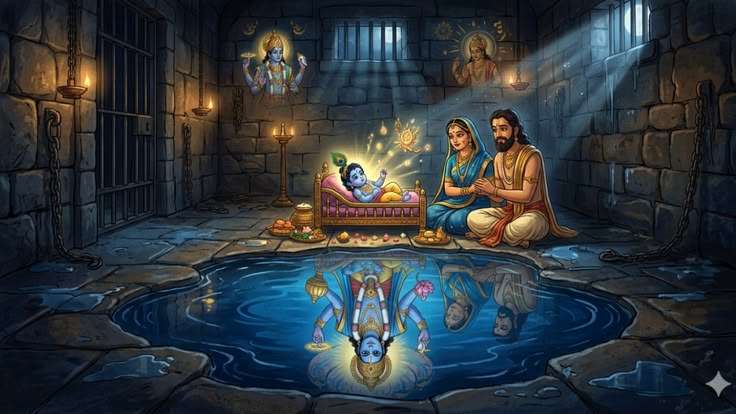
Janmashtami, also known as Krishna Janmashtami or Gokulashtami, is one of the most vibrant and joyous festivals in Hinduism. It marks the birth of Lord Krishna, the eighth avatar of Vishnu, who was born to Devaki and Vasudeva in the prison of Mathura over 5,000 years ago. Celebrated on the eighth day (Ashtami) of the dark fortnight (Krishna Paksha) in the month of Bhadrapada (August-September), this festival is a celebration of divine love, mischief, and wisdom.
Unlike solemn observances, Janmashtami is filled with energy, music, and community spirit. From the midnight vigil honoring Krishna’s birth hour to the thrilling Dahi Handi competitions, the festival captures the playful essence of the Lord. Devotees fast, sing bhajans, reenact scenes from Krishna’s life, and decorate their homes with swings and flowers to welcome the little Kanha into their hearts.
Essential Insights
- Midnight Celebration: Since Krishna was born at midnight, the main rituals and festivities peak after 12 AM.
- Cultural Diversity: Celebrated differently across India, from temple prayers in Varanasi to Dahi Handi in Mumbai.
- Spiritual Joy: The festival emphasizes Bhakti (devotion) through joy, music, and community participation.
Key Traditions and Customs
Here are the most beloved traditions of Janmashtami:
Practice: Devotees observe a strict or partial fast until midnight. Temples and homes stay awake with bhajan singing, kirtans, and reading of the Bhagavad Gita or Srimad Bhagavatam. The fast is broken only after the midnight birth ceremony.
Practice: Popular in Maharashtra, this event recreates Krishna’s childhood habit of stealing butter. An earthen pot filled with curd, butter, and money is hung high. Teams form human pyramids to break it, symbolizing teamwork and determination.
Practice: A decorated swing (Jhula) is set up in temples and homes. An idol of baby Krishna is placed on it and gently swung while devotees sing lullabies and festive songs. Flowers and lights adorn the swing to create a divine atmosphere.
Practice: Cultural programs enact Krishna’s life stories, such as his birth, lifting of Govardhan Hill, and his playful interactions with the Gopis. These plays, known as Raslila, are performed with great enthusiasm and devotion.
Rituals for Home Celebration
How to celebrate Janmashtami at home:
- Clean and Decorate: Clean the puja area and decorate it with rangoli, flowers, and lights. Set up a small swing for the Krishna idol.
- Bath and Dress Up: Give the Krishna idol a ceremonial bath with milk, curd, honey, and water (Abhishek). Dress him in new clothes and jewelry.
- Offerings (Bhog): Prepare favorite foods of Krishna like Makhan (butter), Mishri (rock sugar), fruits, and Panchamrit. Offer these with love at midnight.
- Aarti and Prayers: Perform a grand Aarti at midnight, chanting mantras like "Om Namo Bhagavate Vasudevaya." Distribute prasad among family and neighbors.
Special Foods of Janmashtami
Food is central to Krishna’s story. Common offerings include:
White butter mixed with rock sugar, Krishna’s absolute favorite snack.
Sweet milk-based treats offered as prasad to the deity and guests.
A nutritious wheat flour halwa with dry fruits, often eaten to break the fast.
"Krishna is not just a deity; he is the embodiment of joy. Celebrating Janmashtami is about inviting that eternal joy into our lives."
Famous Celebrations Across India
Different regions have unique ways of celebrating:
- Mathura & Vrindavan: The birthplace of Krishna sees massive crowds, temple decorations, and elaborate reenactments of his birth.
- Mumbai & Pune: Known for high-energy Dahi Handi competitions with large cash prizes and professional teams.
- Udupi & Guruvayoor: Famous for 'Uriyadi' (breaking pots) and grand temple feasts (Sadhya).
- Manipuri: Classical dance dramas depicting Krishna’s life are performed in temples.